Innovative Treatments for Heart Diseases: What’s New In 2026?
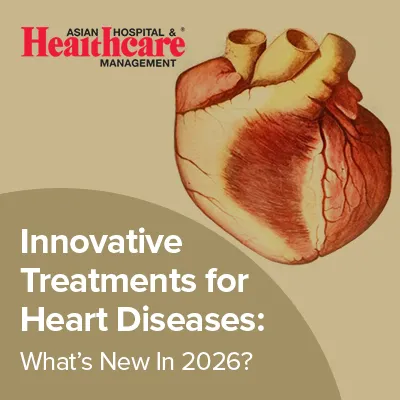
The treatment of heart diseases in the year 2026, are advanced by innovations such as precision medicine, CRISPR gene editing, AI diagnosing tools, stem cell treatment, and nanotechnology. Surgical advancements, and a new, hybrid cardiac rehabilitation model improves the care, while mental health incorporation and individualized cardiovascular care fundamentally repositions cardiovascular health management. The analysis reveals a promising future for the health of hearts.
Introduction:
Cardiovascular disease still takes lives, but their surviving this year and the coming ones may come with the joy of the family. Currently, there are new innovations, procedures and strategies that are seeing the possible solutions to cardiovascular complications emerge. Finding out about the advancements in the field of heart care this year? Let’s take a look at the latest treatments.
1. The Rise of Precision Medicine in Cardiology
The traditional, standardized, ‘one size fits all’ approaches to the treatment of mental disorder are currently vanishing. Precision medicine takes genetic, environmental, and lifestyle profile and applies it in development of personalized treatment for the patient. One application of genomics is the ability to diagnose a patient’s genetic makeup and determine what sort of reaction he or she will have to one medical treatment as opposed to another, reducing the guesswork in writing prescriptions.
For instance, current genetic tests in 2026 provide an ability to diagnose individuals suffering from hereditary, but highly lethal arrhythmia, including hypertrophic cardiomyopathy, long before the symptom appear. These targeted therapies are making a huge difference and preventing or reducing mortality and morbidity.
2. CRISPR Gene Editing: Fixing Problems at the Root
With the world already witnessing the use of gene editing it is no longer fiction material. CRISPR-Cas9 technology has made breakthroughs within the fields of medicine and begins to shine in the year 2026 in cardiology. The researchers are now altering genes that influence cholesterol levels; in this way, people of genetic diseases such as familial hypercholesterolemia which gives high cholesterol levels and a high risk of heart diseases – can be cured.
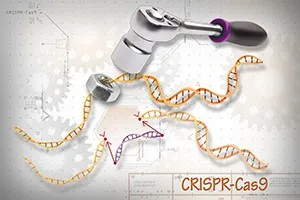
Clinical trials are also underway in an attempt to discover the best way to employ CRISPR to prevent damage to the heart muscle in patients who have had a heart attack. As these treatments get to the root of the problem in the DNA, the future view of this therapy is potentially free of complications.
3. Advanced Artificial Intelligence (AI) in Diagnosis and Treatment
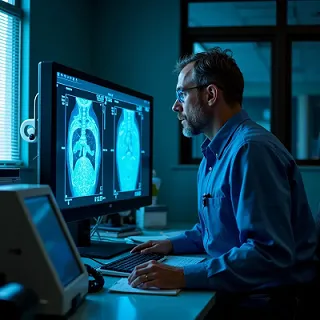
In today’s world AI plays a key role in predicting the early symptoms of heart diseases. The latest machine learning capabilities can process ultrasound images, cardio sonograms, X-Rays, and even CT, MRI scans.
These systems not only detect symptoms of heart disease before the human eye but also know complications.

In treatment, the robots are used to complement surgeons during more delicate processes like replacement of heart’s valves or bypass surgeries. These specifics help to avoid such risks and decrease the time necessary to bring a team into operating condition. Further, in healthcare, AI algorithms monitor patients with heart conditions to notify physicians about abnormalities of the heart.
4. Heart Regeneration with Stem Cell Therapy
If you interest in stem cell, then progress has already been made and in 2026 stem cells is transforming the way we heal the broken hearted. Stem cell therapy entails placing carefully chosen stem cells into the heart for the purpose of regenerating tissues that were damaged. It is helpful for cardiovascular patients or patients who have just been discharged from the hospital after suffering a heart attack.
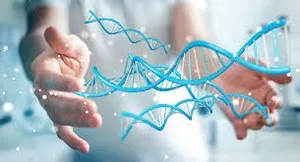
More clinical trials have even revealed that stem cell therapy would bring great benefits to heart failure and even regenerate microscopic injuries resulting from diseases such as cardiomyopathy. The idea that has begun to surface that the heart can be “rebuilt” is holding the promise to millions.
5. Wearable Tech: Monitoring Hearts in Real-Time
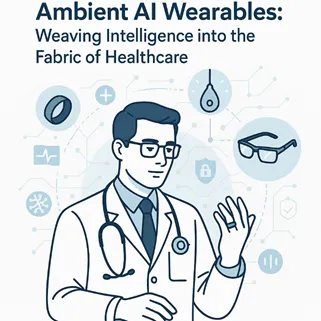
The tradition where heart monitoring would need large and rather clumsy hospital equipment is over. By 2026 the use of advanced smartwatches, biosensors, and other wearable technologies will help people to monitor their heart health. These devices track the hearts rate, blood pressure, oxygen saturation and in some cases arrhythmias in real time.
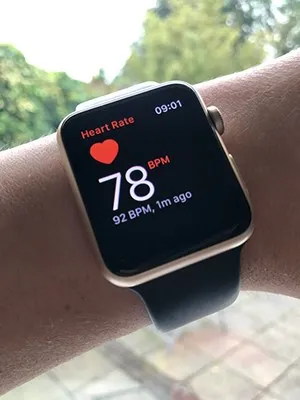
More importantly, wearables are now integrated to work with health care providers. Data used is collected by these devices and such information goes through analysis through the advance AI to offer real time feedback as well as the recommendations. That kind of screening through wearable devices has already saved millions of heart attacks and strokes.
6. Breakthroughs in Drug Development
The pharma major is coming up with new generation drugs that are expected to help prevent and manage heart diseases better. In 2026, new classes of medications are hitting the market, including:
- RNA-based therapies: These drugs work on particular RNA strands to minimize the action of proteins associated with heart diseases.
- PCSK9 inhibitors: These advanced drugs greatly deplete LDL cholesterol and prevent a number of heart attacks and strokes.
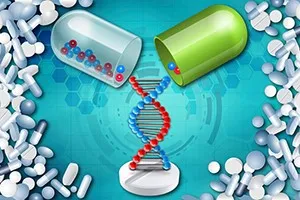
- Anti-inflammatory treatments: Many chronic inflamed diseases are a focal cause of heart disease. There is new type of anti-inflammatory drugs that help to lower this risk without serious side effects.
7. Minimally Invasive Heart Surgeries
Improvements or changes in techniques of heart operations are increasing safety and minimizing invasiveness of the surgery. Of these, transcatheter aortic valve replacement or TAVR is one that is expected to increase by 2026. While conventional treatment requires the surgeon to open the patient’s chest and replace the faulty heart valve, TAVR places the valve via a catheter, cutting down on recovery time greatly.
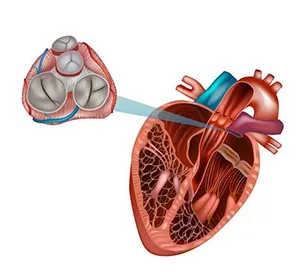
Likewise, robotic-assisted surgeries are becoming the norm. These procedures involve less cuts and are more accurate and as such; they are quicker and have less side-effects. Biodegradable stents for instance which, are manufactured to dissolve after unblocking blood flow, are also improving surgeries and making them less invasive.
8. 3D Printing: Customizing Heart Treatments
3D printing technology is drastically changing the approach that is taken, in carrying out heart surgeries. In 2026, doctors are performing surgery on 3D models of the patients’ hearts to plan on how to operate on the human body. These models offer good insights as to the exact location of the patient’s body organs hence making the surgeon to gain good insights on them and practice on them until perfection is achieved.
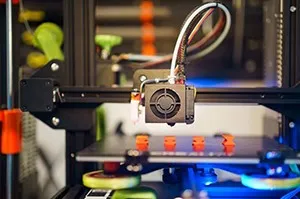
Complying with production tackles using 3D printing technology in producing implant and prosthetic devices like the heart valves to fit perfectly into body organs of individual patients. This level of customization comes with improved outcomes, and reduced complication rates are woeful in comparison.
9. Revolutionary Imaging Techniques
Imaging is used in the detection, staging and management of heart diseases. In 2026, they are still offering better and improved vision of the heart than has ever been witnessed. For instance, quantum imaging technology is now being used to detect such things as blockages and other abnormalities with high precision.
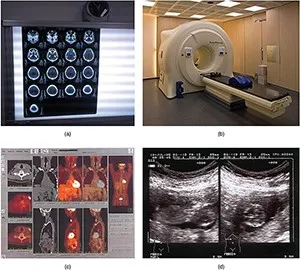
It also makes it possible for the doctor to see how well a treatment is effecting the patient in real time, making tweaks faster and more effective.
10. Diet and Digital Health Coaching
There is an absence of a specific year’s major theme within these criteria; however, it can be said that the focus on prevention is stronger than ever in 2026. Telemonitoring self-management supports are pointing clients to focus on heart-healthy behaviors. These platforms connect the user to an AI-based system that can recommend diets, exercises and stress management, based on a user’s data.

Discoveries such as the Mediterranean-DASH Intervention for Neurodegenerative Delay, or MIND diet, are becoming the trend. This healthy diet plan is close to the heart, including plenty of whole grains, lean protein and healthy fats but low in added sugar and salt.
11. Hybrid Cardiac Rehab Programs
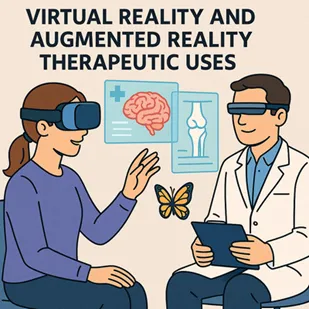
This article seeks to highlight the transitions to which cardiac rehabilitation programs are subject to be relevant in a modern society. Such a model as blended learning – a part of traditional learning that includes face-to-face learning sessions and online courses – is useful in the treatment of patients. Some of them are using virtual reality (VR) in some of its programs to mimic exercise environments to help in rehab.

They do not only aim at physical illnesses, but also offers for mental diseases such depression and anxiety which patients with heart diseases are likely to be affected by.
12. Nanotechnology in Cardiology
Nanotechnology is set to revolutionize what is possible in the area of heart care. There are some nanoparticles employed to target the drugs at the inflammation regions of the heart. This specific targeting enables the medication to uncompromisingly reach the problem site without side-affecting the rest of the body.
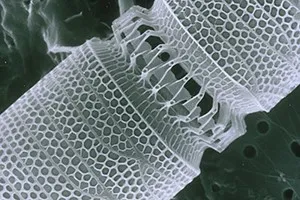
Nanorobots can also be designed for endovascular operations like the clearing of arterial blockages or for tissue repair from inside the body which is in the pipeline for cardiovascular solutions.
13. The Role of Mental Health in Heart Disease
2026 means change in awareness of correlation between mental disorders and heart diseases. To add to this, the medical condition of the heart is known to worsen upon experiencing stress, anxiety and or depression.

New treatment solutions call for psychological intervention of patients through therapy and practice of the mindfulness as part of heart treatment.
Conclusion
Everyone can look forward to it and expect to see the treatment of heart disease taking new and better directions in 2026. Variations ranging from precision medicine and gene editing, to wearable technology and sophisticated operations are not just managing heart diseases but changing lives. However, these findings suggest that, although large leaps have been made in the treatment and understanding of the heart, prevention – a healthy lifestyle and check-ups – is the key to a healthy heart.
As we look forward, one thing is certain: this makes the ongoing battle against heart disease smarter, and precise than it has ever been before. If you or a loved one are dealing with heart issues, 2026 offers new hope and solutions to ensure a healthier, happier heart.
.webp)